Understanding the Challenge of Inadequate Bone Volume
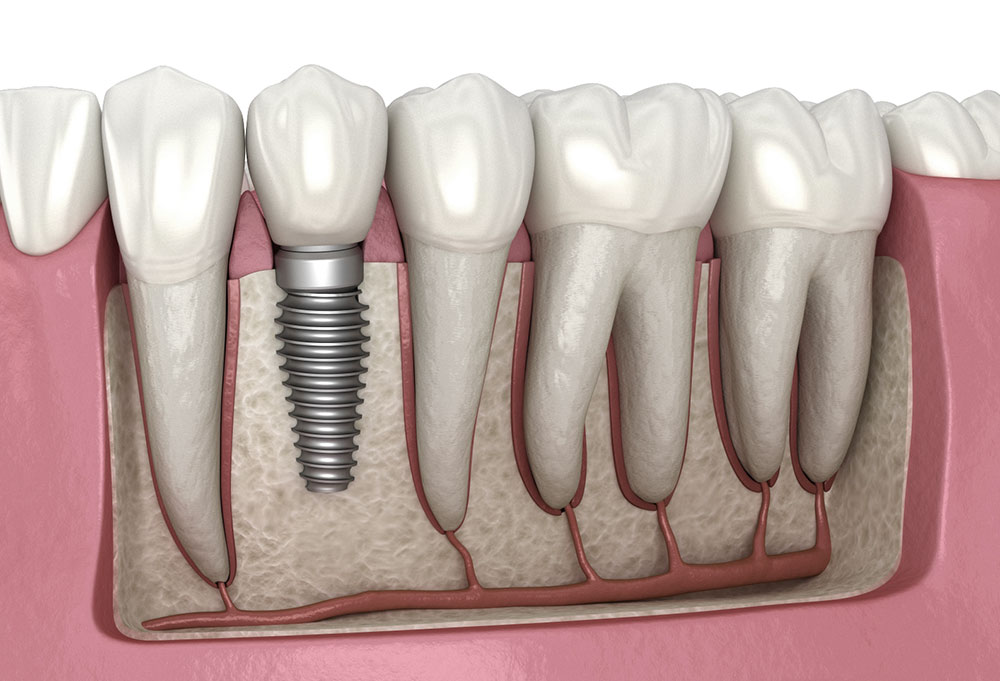
The journey towards a restored smile through dental implantation can sometimes present unexpected obstacles, with insufficient jawbone density ranking amongst the most common challenges faced by practitioners and patients alike. When natural teeth are lost, the surrounding bone begins a process of resorption, gradually diminishing in both height and width. This natural physiological response can leave patients with inadequate bone structure to support the titanium posts that form the foundation of successful implant treatment. Fortunately, modern dentistry has developed sophisticated solutions to address this predicament, with guided bone regeneration standing at the forefront of these innovative techniques.
For individuals seeking dental implants Thames Ditton practitioners and dental professionals across the country recognise that bone insufficiency need not be a permanent barrier to treatment. The advent of guided bone regeneration has transformed what was once considered an insurmountable obstacle into a manageable condition with predictable outcomes. This regenerative approach harnesses the body’s natural healing capabilities whilst providing the structural framework necessary for new bone formation.
The Science Behind Guided Bone Regeneration
Guided bone regeneration operates on a remarkably elegant principle: creating an environment where bone cells can proliferate whilst preventing faster-growing soft tissue from occupying the space intended for bone development. The technique employs barrier membranes that act as selective filters, permitting bone-forming cells to populate the deficient area whilst excluding fibroblasts and epithelial cells that would otherwise compromise the regeneration process. These membranes can be either resorbable, which naturally dissolve over time, or non-resorbable, requiring surgical removal once their purpose has been fulfilled.
The relationship between bone loss and dental implant viability has been extensively studied, revealing that successful regeneration depends upon several critical factors. The membrane must maintain space for bone growth, exclude competing tissue types, integrate with surrounding tissues, and remain biocompatible throughout the healing period. When executed properly, this controlled environment allows osteoblasts to migrate into the defect site and begin laying down new bone matrix.
Materials and Techniques That Support Bone Growth
The success of guided bone regeneration relies heavily upon the selection of appropriate grafting materials that serve as scaffolding for new bone formation. Autogenous bone, harvested from the patient’s own body, remains the gold standard due to its osteogenic, osteo-inductive, and osteoconductive properties. However, alternative materials have gained considerable traction in clinical practice, including xenografts derived from bovine sources, allografts from human donors, and synthetic materials such as hydroxyapatite and beta-tricalcium phosphate. Each material presents distinct advantages, with practitioners selecting based on the specific clinical scenario and patient requirements.
The bone grafting process for dental implants typically follows a staged approach, allowing adequate time for regeneration before implant placement. During the procedure, the selected graft material is carefully positioned within the deficient area, covered by a barrier membrane, and secured to ensure stability throughout the healing phase. The surgical site is then closed with meticulous suturing techniques that promote primary wound closure and minimise the risk of membrane exposure.
Healing Timelines and Treatment Success
Patience proves essential when undertaking guided bone regeneration, as the biological processes involved cannot be rushed without compromising outcomes. The typical healing period ranges from four to nine months, depending upon the extent of bone deficiency and the materials employed. Throughout this period, new bone gradually forms within the protected space, eventually achieving sufficient density and volume to support implant placement. Recent research has demonstrated impressive success rates for regenerative procedures when proper protocols are observed.
Clinical studies consistently reveal that guided bone regeneration achieves predictable results in appropriately selected cases, with success rates often exceeding ninety per cent. The regenerated bone demonstrates structural integrity comparable to native tissue, providing stable anchorage for implant fixtures and supporting long-term prosthetic function.
Achieving Successful Outcomes Through Advanced Regenerative Methods
Guided bone regeneration has fundamentally altered the landscape of implant dentistry, transforming previously unsuitable candidates into viable recipients of this life-changing treatment. The technique’s ability to regenerate functional bone tissue represents a triumph of biological understanding and clinical innovation, offering renewed hope to those facing the challenges of insufficient jawbone density.